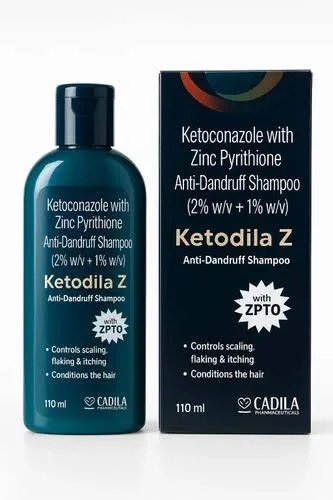
Best Anti-Dandruff Shampoos in India: How to Choose the right shampoo.
Dandruff can be frustrating. White flakes on dark clothes, an itchy scalp and recurring dryness can make even a simple hair-care routine feel difficult. If you have been searching for the best anti-dandruff shampoo in India, you have probably noticed that there are many options, from everyday cosmetic shampoos to medicated formulations.
But which one should you choose?
The answer depends on several factors, including the cause and severity of your dandruff, your scalp type, the active ingredients in the shampoo and how the product is intended to be used.
At PharmaEssentials, we believe that choosing a personal-care product should begin with understanding what you are buying. This guide explains the important differences between anti-dandruff shampoos, what to check on the label and how to make a more informed purchase.
Quick Answer: How Do You Choose the Best Anti-Dandruff Shampoo?
There is no single shampoo that is best for everyone. Use these general guidelines when comparing products.
For persistent dandruff: Look for a shampoo with an appropriate anti-dandruff active ingredient, such as ketoconazole, where suitable.
For visible flakes and scalp scaling: Compare formulations designed to address flaking and follow their labelled directions.
For an oily scalp: Consider a shampoo that suits your scalp's cleansing needs without causing excessive irritation.
For dry or sensitive hair and scalp: Pay attention to the cleansing base, fragrance and conditioning ingredients, as some anti-dandruff formulations can leave hair feeling dry.
For recurring, severe or unexplained symptoms: Seek advice from a healthcare professional rather than repeatedly switching products without a clear plan.
The American Academy of Dermatology identifies several ingredients used in dandruff shampoos, including ketoconazole, selenium sulfide, salicylic acid and coal tar. Ingredient availability and permitted uses vary by product and market. Always check the actual product label. Source: American Academy of Dermatology
What Causes Dandruff?
Dandruff is a common scalp condition that causes flakes of skin to become visible in the hair or on the shoulders. Some people also experience itching or scalp irritation.
It is not necessarily a sign of poor hygiene. Factors associated with dandruff include oily skin, individual scalp characteristics, hair-care habits and certain skin conditions.
One related condition is seborrhoeic dermatitis, which can cause scaling and inflammation on the scalp and other areas of the body.
Understanding the difference matters because not every flaky scalp has the same cause. Dryness, irritation from hair products, eczema and psoriasis can sometimes produce similar symptoms.
A shampoo that helps one person may not be appropriate for another. If you have painful, inflamed or persistent symptoms, a dermatologist can help identify the cause.
Types of Anti-Dandruff Shampoo: Which Ingredients Should You Compare?
When choosing an anti-dandruff shampoo, start by checking the active ingredients rather than relying only on the brand name or front-label claims.
1. Ketoconazole Shampoo
Ketoconazole is an antifungal ingredient used in certain shampoos for dandruff and seborrhoeic dermatitis. It helps control the yeast associated with these conditions.
Ketoconazole shampoos are worth discussing with a pharmacist or healthcare professional if your dandruff keeps returning or ordinary cosmetic shampoos have not helped.
Before purchasing, check:
The stated ketoconazole concentration.
The intended use and age restrictions on the label.
The directions for application and rinsing.
Any warnings or precautions.
The pack size, expiry date and manufacturer information.
Different products may have different directions. Do not assume that every ketoconazole shampoo should be used at the same frequency.
2. Selenium Sulfide Shampoo
Selenium sulfide is another ingredient used in certain anti-dandruff formulations. It can help manage scalp flaking and symptoms associated with dandruff.
When comparing a selenium sulfide shampoo, read the label carefully and follow its instructions. Some formulations have specific precautions concerning irritated or damaged skin, contact with the eyes and hair care.
If you experience significant irritation or your symptoms worsen, stop self-treatment and seek appropriate advice.
3. Salicylic Acid Shampoo
Salicylic acid is used in some scalp-care products to help loosen and remove scales.
It may be useful to understand this ingredient when comparing shampoos designed for visible scalp build-up. However, removing scales is not the same as treating every underlying cause of dandruff.
Pay attention to the formulation and directions, particularly if your scalp is already dry, irritated or sensitive.
4. Other Anti-Dandruff Formulations
Some products use other active ingredients or combinations of ingredients, depending on their formulation and intended market.
An everyday anti-dandruff shampoo may be designed primarily for routine scalp cleansing and flake management, whereas a medicated shampoo may contain an active ingredient intended for a specific condition.
Do not assume that a product marketed as herbal, natural or premium will necessarily be more effective than another formulation. Compare its actual ingredients, label claims and directions.
Comparison Table: Choosing an Anti-Dandruff Shampoo
Use this table as a starting point when comparing products available at PharmaEssentials.
Ingredient or formulation | What to know | What to check before buying |
|---|---|---|
Ketoconazole | Antifungal ingredient used for certain dandruff conditions | Concentration, directions, warnings and suitability |
Selenium sulfide | Used in some anti-dandruff shampoos | Label precautions and application instructions |
Salicylic acid | Helps loosen and remove scalp scales | Potential dryness, formulation and directions |
Everyday anti-dandruff shampoo | Designed for routine cleansing and dandruff management | Active ingredients, scalp compatibility and usage instructions |
Conditioning anti-dandruff formulation | May combine dandruff care with cosmetic conditioning | Fragrance, conditioning ingredients and individual tolerance |
This is an ingredient-based comparison, not a clinical ranking of individual brands. The right choice depends on the product formulation and the reason for your symptoms.
How to Choose an Anti-Dandruff Shampoo for Your Scalp Type
If You Have an Oily Scalp
An oily scalp may require more frequent cleansing, depending on your hair type and individual needs.
Look for a product whose label suits your scalp-care requirements. Avoid assuming that a stronger cleanser is always better; excessive irritation can make your routine uncomfortable.
If flakes are persistent despite regular cleansing, consider whether a product with an appropriate anti-dandruff active ingredient may be more suitable.
If You Have a Dry Scalp
Dryness and dandruff can sometimes look similar, but they are not always the same problem.
If your scalp feels tight or uncomfortable after washing, examine the shampoo's cleansing base and consider whether your overall routine is too harsh.
A conditioner applied to the lengths of your hair may help manage dryness, but it does not replace appropriate scalp treatment when a medical condition is present.
If You Have a Sensitive Scalp
If your scalp is easily irritated, check for ingredients or fragrances that you know you do not tolerate.
Use products according to their instructions and avoid combining several medicated scalp products without professional advice.
If a shampoo causes burning, marked redness, swelling or a worsening rash, discontinue use and seek medical advice.
If You Have Persistent or Severe Dandruff
Repeated flakes, pronounced itching, redness, thick scaling or symptoms that extend beyond the scalp may indicate a condition requiring professional assessment.
Rather than continuing to buy different shampoos, ask a dermatologist or pharmacist for guidance on the appropriate next step.
How to Use Anti-Dandruff Shampoo Correctly
Even a suitable shampoo may not work as intended if it is used incorrectly.
Follow these practical steps:
Read the label first. Check the amount to use, application frequency and any precautions.
Apply it to the scalp as directed. Anti-dandruff shampoos are generally intended to treat the scalp rather than simply coat the hair.
Allow the recommended contact time. Some medicated shampoos need to remain on the scalp for a specified period before rinsing.
Rinse thoroughly. Avoid getting shampoo into your eyes.
Condition your hair if appropriate. Some formulations may leave the hair feeling dry. Use a suitable conditioner on the lengths if needed.
Monitor your response. If symptoms worsen or fail to improve within the timeframe specified in the product instructions, consult a healthcare professional.
Do not use every anti-dandruff shampoo daily by default. Frequency depends on the active ingredient, formulation, hair type and product instructions.
For additional guidance, refer to the American Academy of Dermatology's dandruff treatment advice.
What Should You Check Before Buying Anti-Dandruff Shampoo Online?
If you are planning to buy anti-dandruff shampoo online in India, price should not be your only consideration.
Use this checklist to compare products more confidently.
1. Active ingredients
Read the ingredient list and identify whether the product is a cosmetic anti-dandruff shampoo or a medicated formulation.
2. Product size and value
Compare the net quantity and price per millilitre where possible. A larger bottle is not automatically better value if the formulation does not suit your needs.
3. Manufacturer and packaging
Check the manufacturer details, product label, batch information, expiry date and packaging integrity.
4. Directions and warnings
Review the intended use, frequency of application, age restrictions and other precautions.
5. Authenticity and seller information
Buy from a reputable seller and check that the product description matches the packaging and the product received.
6. Delivery and return information
Review shipping timelines, available payment options and the seller's applicable return or replacement policy before placing an order.
Shop Anti-Dandruff Shampoo at PharmaEssentials
Looking for an anti-dandruff shampoo for your hair-care routine?
Explore the relevant products available at PharmaEssentials and compare their active ingredients, pack sizes, label directions and prices before choosing.
Explore Anti-Dandruff Shampoos at PharmaEssentials
Common Mistakes to Avoid When Choosing Anti-Dandruff Shampoo
A few simple mistakes can make it harder to find a suitable product.
Choosing by brand alone: Check the active ingredients and formulation.
Using medicated shampoo more frequently than directed: More frequent use is not automatically more effective and may increase irritation.
Assuming every flake is dandruff: Other scalp conditions can look similar.
Expecting instant results: Some treatments require consistent use over the recommended period.
Ignoring irritation: Stop using a product that causes a significant adverse reaction and seek advice.
Switching products constantly: Give an appropriate product the recommended trial period unless symptoms worsen or the label or a healthcare professional advises otherwise.
Frequently Asked Questions
1. Which is the best anti-dandruff shampoo in India?
There is no single best anti-dandruff shampoo for everyone. The most suitable option depends on your scalp condition, active ingredients, hair type and tolerance. For persistent dandruff, consider products containing an appropriate active ingredient and seek professional advice when needed.
2. Is ketoconazole shampoo good for dandruff?
Ketoconazole is an antifungal ingredient used to treat dandruff and seborrhoeic dermatitis. Whether a particular shampoo is appropriate depends on its formulation, instructions and the individual's circumstances. Follow the product label or professional advice.
3. Can I use anti-dandruff shampoo every day?
Not every anti-dandruff shampoo is intended for daily use. Follow the directions for your particular product, as frequency varies by formulation and active ingredient.
4. What is the difference between dandruff and a dry scalp?
Dandruff is associated with flaking and may involve scalp oiliness or irritation. A dry scalp can also produce flakes, but the causes and appropriate care may differ. Persistent or unusual symptoms should be assessed by a healthcare professional.
5. Does anti-dandruff shampoo help with an itchy scalp?
Some anti-dandruff shampoos can help relieve itching when the itching is related to dandruff. However, itching can have other causes. Severe itching, redness, pain or a persistent rash warrants medical assessment.
6. How long does anti-dandruff shampoo take to work?
The timeframe depends on the ingredient, formulation and underlying condition. Follow the product instructions and seek professional advice if the symptoms persist beyond the recommended treatment period or worsen.
7. Can anti-dandruff shampoo cause dry hair?
Some formulations can leave hair feeling dry or rough. The effect varies between products and individuals. Consider the cleansing base, follow the directions and use an appropriate conditioner if needed.
8. Can I use hair oil with anti-dandruff shampoo?
This depends on your scalp condition and the products involved. Hair oil may be suitable as part of some cosmetic hair-care routines, but it is not a substitute for treating a scalp condition. If oiling appears to worsen your symptoms, reconsider the routine and seek advice if necessary.
9. When should I consult a dermatologist for dandruff?
Seek medical advice if your scalp is very itchy, red, swollen, painful or heavily scaled, if you develop patchy hair loss, or if symptoms persist despite appropriate treatment. Flaking affecting other areas of the body may also need assessment.
Final Thoughts
Choosing the best anti-dandruff shampoo in India is not simply about selecting the most popular brand or the lowest-priced bottle. It is about understanding the ingredients, identifying your scalp-care needs and following the directions for the product you choose.
For mild dandruff, an appropriate over-the-counter shampoo may be sufficient. Persistent or severe symptoms may require professional assessment and a more specific treatment approach.
At PharmaEssentials, our aim is to help shoppers make informed decisions by providing clear product information, practical buying guides and easy access to relevant health and personal-care essentials.
Medical and Editorial References
American Academy of Dermatology Association. How to treat dandruff.
NHS. Dandruff: symptoms, self-care and when to seek medical advice.
NHS. About ketoconazole.
Disclaimer: This article is for general educational purposes and is not a substitute for medical diagnosis or treatment. Product suitability, directions and precautions vary. Consult a qualified healthcare professional for persistent or severe scalp symptoms.